Hydrogen is a Clean Energy that Bubbles from Water
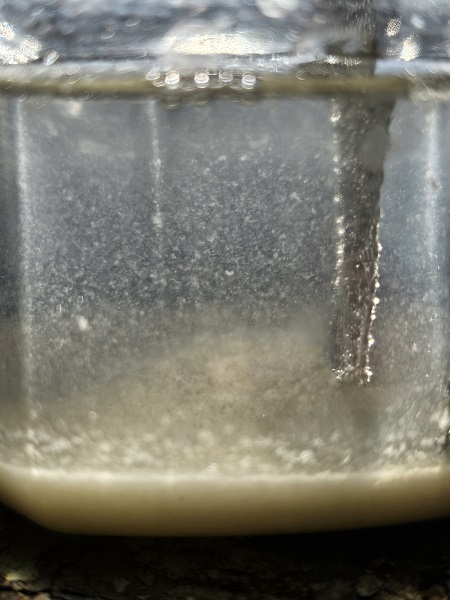
Hydrogen is a clean energy that bubbles from the water! This discovery multiplies several folds the production of clean hydrogen and reduces its cost. Until now the extraction of hydrogen from water with electricity was easy but expensive. This discovery uses a catalyst that eases the action of electricity. Therefore, it greatly increases the reaction that splits water, allowing hydrogen production at a competitive cost using solar cells and panels. This catalyst is a promising technological breakthrough to solve global warming produced by carbon emissions.
As the atmospheric CO2 produced by hydrocarbons increases, the earth is losing cooling capacities, mainly heating the sea water and melting glaciers that are regulators of the global climate. Thus, as the weather becomes only one more degree warm, it has been producing catastrophes, diminishing crop yields, spurring mass migrations, and it is also threatening plants, animals, and human existence with droughts, the rise of sea level, storms, floods, heat and more. This worrisome existential threat needs fast action and a collective solution.
This discovery opens an endless possibility for producing appliances such as fuel cells, the storage of energy, the use of a transitional fuel mixture with gasoline or gas, as a fuel for internal combustion motors, heating rooms, cooking, and many other uses that inventors’ minds can think once hydrogen will be easy and safely available. I believe this technology will promote the search for creative solutions, and the discovery of new applications to overcome this threat to existence.
Electrolysis is a process that uses electricity to separate oxygen and hydrogen from water. It is a very common industrial process. However, due to the current high cost of producing hydrogen and oxygen from water, electrolysis from water has not yet been broadly commercialized.
Catalysts are ingredients that, used in a very small amount, allow otherwise impossible chemical reactions, indeed many natural processes are the consequence of catalysts’ influence. Moreover, many industrial processes are possible thanks to the use of catalysts. As an example, refining oil to produce fuels uses catalysts to add hydrogen and increase its properties as combustible.
With this innovation, obtaining oxygen and hydrogen is both inexpensive and simple using solar energy. This catalyst will allow a great number of futuristic uses of hydrogen because it is cheaper, safe, and very accessible since sunlight and water exist everywhere. This invention also makes possible water electrolysis using wind electricity and other green energy sources. Therefore, this catalyst breaks down the technological barriers that limit the use of solar or wind electricity, even it will make the use of fuel-cell cars accessible. Hydrogen is broadly used in industrial processes, but it is expensive. However, this invention will ease the application of hydrogen in fuel cells, the storage of solar green electricity, heating, and others. As Julius Verne predicted in his novel Mysterious Island (1874) water will be the source of energy instead of carbon, and of course, the polluting oil that is destroying the planet producing global warming and climate change.
 h-tech-inc